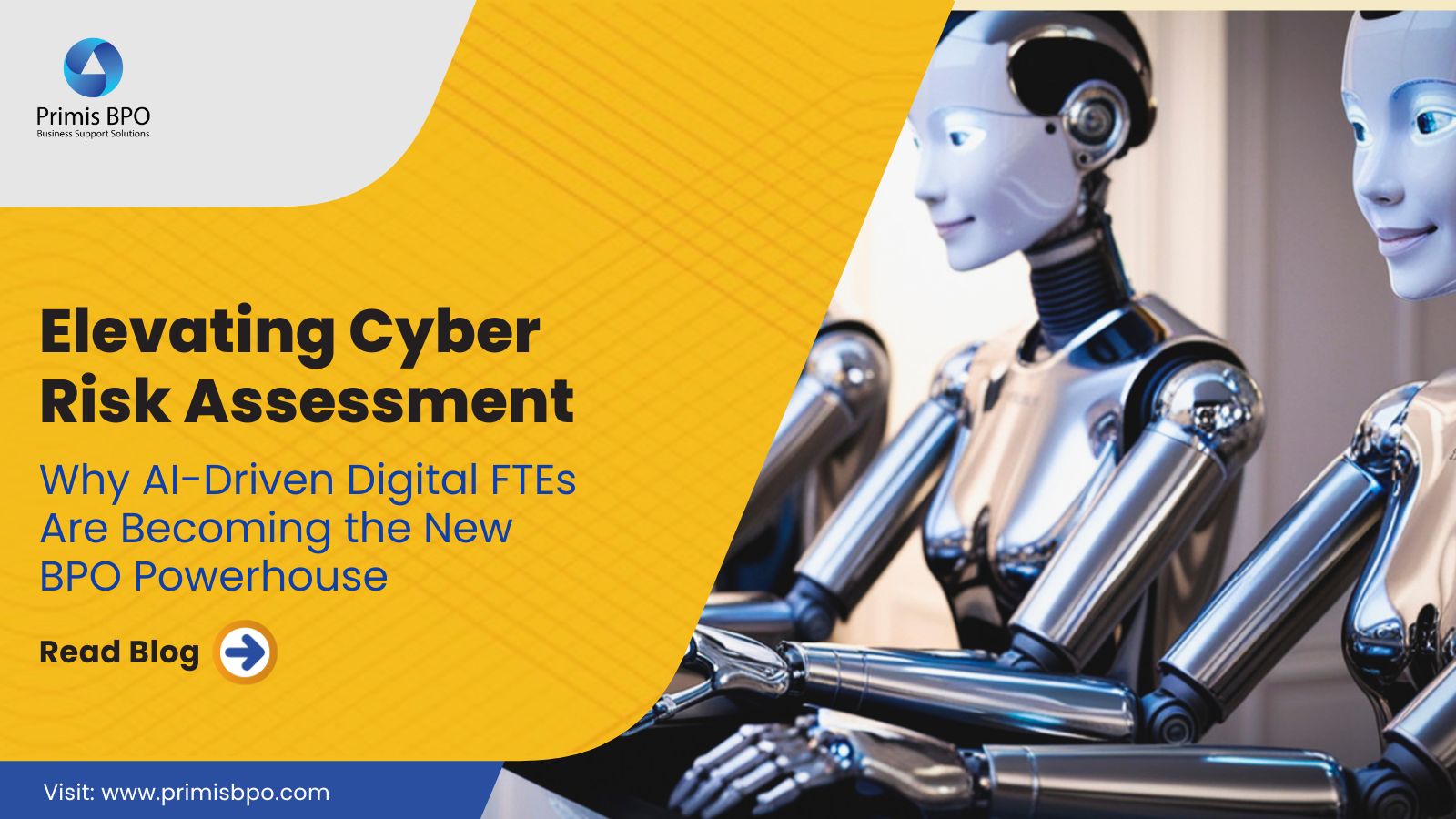
Cyber insurance is evolving faster than most underwriting teams can keep up with. Threat surfaces are expanding, attack patterns are shifting weekly, and traditional risk evaluation methods—questionnaires, static frameworks, and manual document reviews—simply can’t capture the dynamic nature of cyber exposure.
Property underwriting is undergoing a paradigm shift. Escalating climate volatility, increasingly dense urban exposures, and a surge in complex claims histories have eroded the reliability of conventional actuarial methods. Traditional underwriting practices—anchored in retrospective loss data and human interpretation—struggle to keep pace with the velocity, granularity, and unpredictability of modern risk vectors.
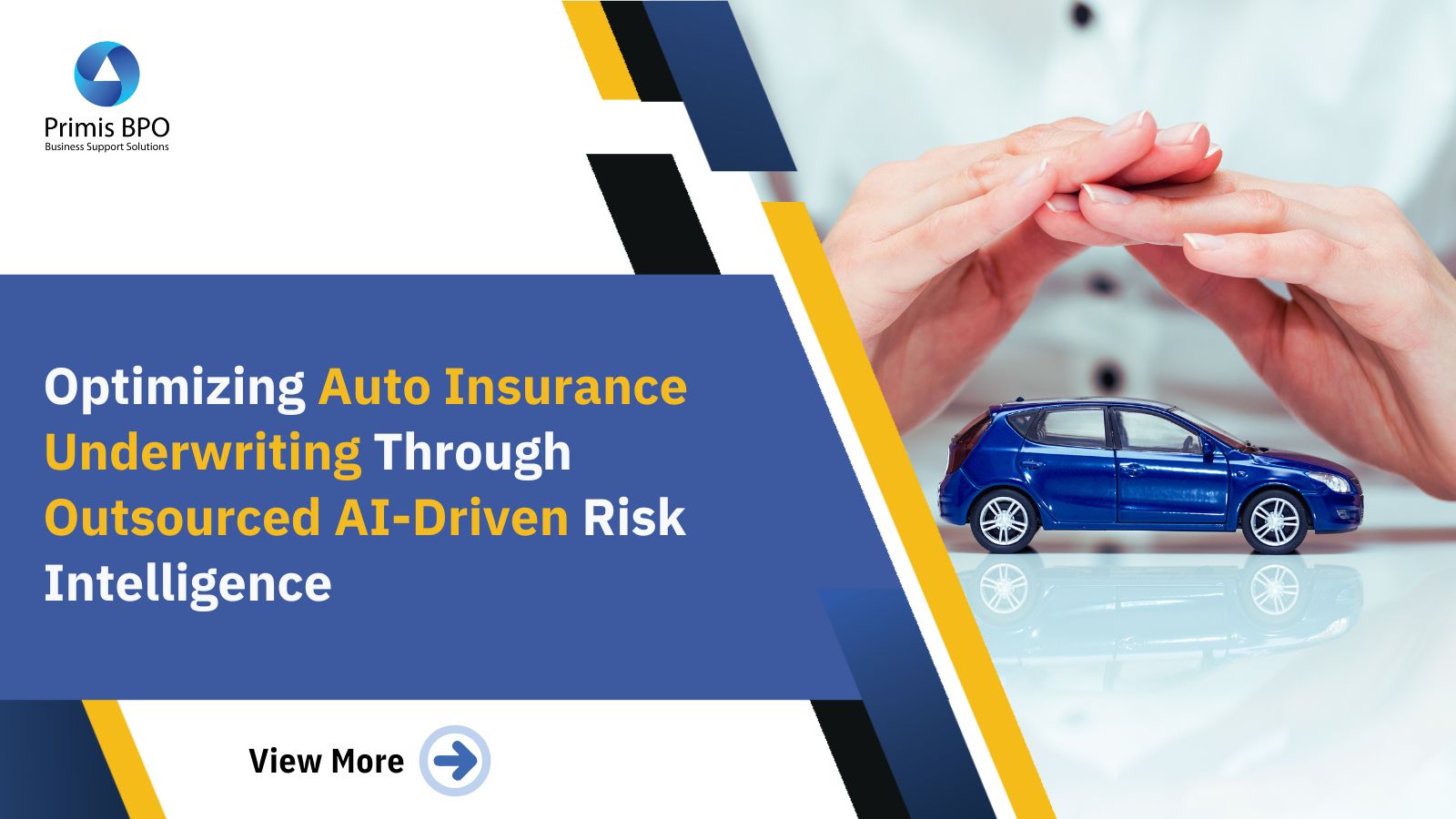
The auto insurance industry has endured a turbulent decade, with underwriting losses in recent years. Inflation, rising claims severity, and supply chain disruptions have compounded the pressure.
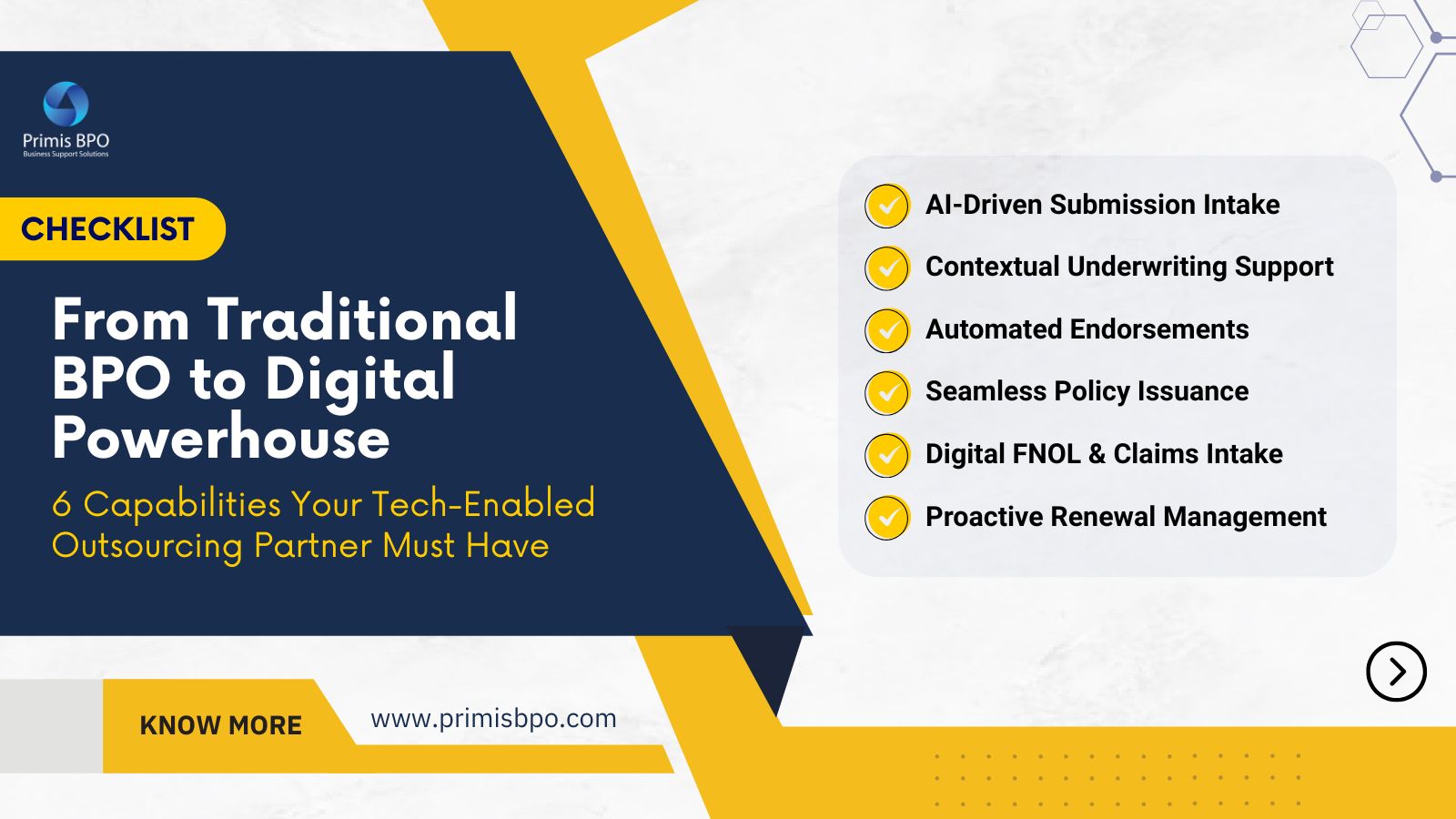
Outsourcing in insurance isn’t new. For decades, carriers and agencies have relied on BPOs to handle data-intensive, time-consuming back-office tasks, such as submissions, renewals, and document processing.
Recent Blogs
Elevating Cyber Risk Assessment
The AI FTE Approach to Property Risk Assessment
Optimizing Auto Insurance Underwriting Through Outsourced AI-Driven Risk Intelligence
[Checklist] From Traditional BPO to Digital Powerhouse: 6 Capabilities Your Tech-Enabled Outsourcing Partner Must Have
Outsourcing AI-Enabled Property Risk Analysis


